
WHAT CAN THE GUT PROGRAMME HELP YOU WITH?
As good gut health is core to most functions of the body, this programme can help with a very wide range of health issues. Also your practitioners will use their knowledge, experience and skills to treat conditions that are not directly related to the gut if these are seen as a priority.
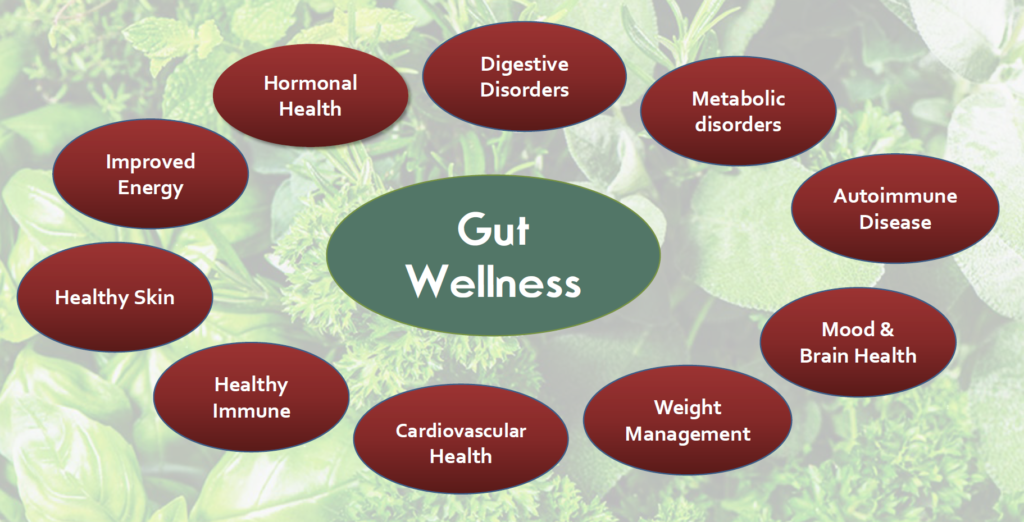
Digestive Health
Symptoms like bloating, gas, pain, constipation, diarrhoea, food intolerances and heartburn, as well as conditions such as IBS, Ulcerative Colitis, Crohn’s all signal an unhealthy gut.
Digestion starts in your mouth and ends in your colon. For healthy digestion, the whole gut needs to be working optimally because it works as a unit. For example problems with stomach acidity will affect how proteins are digested in the small intestine and can then lead to an imbalance of bacteria in the colon where there is putrification of undigested protein. As a result you can experience bloating, pain, flatulence, constipation or diarrhoea. If this is allowed to continue over time more serious bowel disease can occur.
A healthy gut is about 9m in length and has an internal surface area about the size of a tennis court.
Optimum nutrition is not only dependent on what you eat, but also how you digest and absorb your food. Production of digestive enzymes in the mouth, stomach and small intestines is required to break down food into nutrients that can pass through the intestinal wall into the bloodstream and lymph system to be processed in the liver. Integrity of the mucosa – the inner layer of the gut wall – is needed to make sure that this absorption is efficient and that it only allows molecules through that are meant to be carried into the bloodstream. The mucosa is a fragile environment easily affected by stress, certain medications including antibiotics, poor diet and eating habits, among other factors.
Most of the body’s immune system resides in the gut where it protects against pathogens that are swallowed. Living inside the gut are about 100 trillion bacteria as well as other microorganisms that make up the gut microbiome. Most of these are good, and are indeed essential to gut health and digestion whilst some are bad and can cause damage. The immune system has a close relationship with the microbiome so an imbalance in the gut bacteria can cause the immune system to adversely react, for example leading to inflammation. Imbalances in the types and amounts of gut flora (microbiota) are linked with gastrointestinal disorders, and more recently, research has shown microbial imbalance to be associated with many diseases in other body systems too.
Many conventional treatments for gut problems focus on relieving the symptoms, but in most cases this still leaves your digestion compromised and sometimes these treatments can cause further complications. For example medication that reduces acid in the stomach can lead to poor digestion and absorption of protein, vitamin B12 and calcium leading to conditions such as malnutrition, anaemia and osteoporosis. The Gut Wellness Programme aims to correct imbalances, weaknesses and other causes as well as relieving the symptoms.
Gastrointestinal conditions include:
- Oesophagus problems
- Gastro-oesophageal reflux disease (GORD) and hiatal hernia
- Stomach problems, including gastritis, gastric ulcers and cancer
- Pancreatitis
- Intestinal problems, such as infections, bloating, irritable bowel syndrome (IBS), peptic ulcers, celiac disease, Crohn’s disease, ulcerative colitis, diverticulitis, malnutrition, and cancer
- Gallstones and inflamed gallbladder
- Rectal problems, such as anal fissure and haemorrhoids
- Constipation or diarrhoea
Immune Health
Frequent or persistent infections, autoimmune illness like rheumatoid arthritis, diabetes and thyroid conditions can be associated with digestive dysfunction.
Our digestive system encounters more pathogens than any other parts of our body. Therefore it does make perfect sense that most of our immune cells reside in our gut lining in close proximity to the gut bacteria. That in itself is remarkable! Our immunity has developed a special symbiotic relationship with our microbiome.
Some research studies have shown that gut bacteria have a direct effect on the number of our immune cells, on immune cell differentiation, on immune cells aggregation and can induce an inflammatory process.
This special relationship is kept actively in check by strong regulatory mechanisms to develop a healthy immune tolerance, when the immune system appropriately responds to the environment, without attacking our “little helpers”. Our immune resilience will dictate what pathogens will infect us and what consequence it will have on our overall immunity.
The gradual loss of tolerance will affect our resilience and can lead to food, chemical and any allergen intolerances and auto-immunes diseases.
In the case of food allergies or sensitivities, our body has lost its oral tolerance and is over-reacting to specific food, leading to an inflammatory cascade. Your immune cells, already involved in an ongoing struggle against certain foods, will be less efficient in dealing with an unwelcome pathogen. More or less, it is the same scenario for any sensitivities (pollen, chemicals etc) or auto-immune diseases.
One of the easiest ways to increase your immune tolerance is to diversify your gut bacteria, as studies have demonstrated that individuals with a healthy and diverse microbiome have few allergies, auto-immune diseases and health related issues.
Alongside dietary modification, immune balancing and anti-inflammatory herbs can be used, as well as herbs and lifestyle changes to reduce stress and increase emotional resilience.
Conditions & Symptoms:
- Food Intolerances
- Auto-immune disease
- Recurrent infections
- Allergies
Skin Health
Skin symptoms like acne vulgaris, rosacea, psoriasis, atopic dermatitis (eczema), abscesses and more, are all conditions linked with diet, gut integrity, gut dysbiosis and elimination issues.
The skin, being the largest organ, undergoes constant renewal and performs various tasks: protection, temperature regulation, elimination, water retention and more. Gut disorders are often accompanied by cutaneous expressions and the skin is usually a good indicator of what is going on inside. An unhappy gut will often manifest on the skin as spots, redness, dryness, flaky skin, rash and blisters.
Recent research confirms the gut-skin axis link: how treating gut dysbiosis and SIBO alter skin sensitivity, reduce skin lesions such as atopic dermatitis and rosacea. Metabolites from non beneficial gut bacteria (Clostridium diff.) are a marker for reduced skin hydration and loss of skin barrier function. DNA of intestinal bacteria can be found circulating in the blood of psoriasis patients and poor diversity of gut bacteria has been linked with children developing atopic dermatitis.
The health of our skin is directly linked with what we eat: the quality and diversity of our diet, our ability to break down food into absorbable sized nutrients and vitamins. Our ability to absorb and utilise food, will show on our skin. As an example, studies have linked acne vulgaris with a high carbohydrate diet.
Skin Health conditions include:
- Acne vulgaris
- Psoriasis
- Dermatitis
- Eczema
- Rosacea
- Hives
- Fungal infections
Hormones and Fertility
Symptoms relating to sexual function, irregular menstrual cycles and male and female fertility issues can all be improved by working on the gut and nutrition.
Eating healthily and having an efficient digestion will improve hormonal activity, as well as hormone circulation, conversion, breakdown and elimination.
Difficulty to conceive, heavy or irregular periods and some breast cancers are linked to excess oestrogen or an unbalanced ratio of oestrogen metabolites. In a healthy gut and microbiome, some of the oestrogen is metabolised by the liver and gut bacteria into hormonal metabolites that can bind to receptors. Those metabolites are either protective or detrimental to body function. In an unhealthy individual, the gut bacteria can produce more detrimental oestrogen metabolites than protective ones, leading to disease, menstrual disorders and infertility. A similar mechanism exists for progesterone and testosterone.
The growing amount of xeno-oestrogens (from plastics, pollutants etc) we encounter in our daily life is also a major concern and needs to be cleared from our system efficiently. A healthy liver plays a major role in the breakdown and excretion of xeno-oestrogens and excess hormones.
A healthy hormonal balance can only take place in a healthy digestive system. Typically, improving diet with plenty of fresh vegetables and lowering carbohydrate intake, along with herbal strategies, will support the liver and improve digestion and pancreatic function.
Conditions and symptoms such as the following:
- Sexual function, low libido, Vaginal dryness
- PMS, painful, heavy or erratic, scanty or absent periods,
- Infertility, conception, miscarriage
- Pelvic inflammatory disease
- PCOS
- Prostate health
- Acne
- Endometriosis
- Fibroids
- Menopause
- Excessive hair growth/hair loss
Mood & Brain Health
A healthy gut and good nutrition are key to healthy brain function. There is a direct connection between the gut and the brain via the vagus nerve and it is now known that our gut bacteria help send messages to our brain, whilst neurochemicals from the brain communicate with our gut. Gut bacteria directly influence brain development and activity.
Up to 90% of the happy, mood-stabilizing, sleep-promoting neurotransmitter serotonin is produced not in the brain but in the gut by beneficial bacteria, if given a nutritious, diverse diet. GABA, a neurotransmitter that helps to regulate anxiety and depression, is also produced in the gut. Anxiety, depression, and schizophrenia can be linked to a disordered gut. Stress and anxiety can also alter the microbiome bacteria. So our gut influences our mood and behaviour, just as our brain influences our gut health.
Some developmental conditions, such as autism and ADHD, are associated with a disrupted gut microbiome and overgrowth of certain unhealthy bacteria. There is also evidence that poor gut wall integrity (‘leaky gut’) may enable harmful by-products of these bacteria to travel to the brain and cause problems.
Brain inflammation is recognised as a precursor to both mood disorders and neurodegenerative diseases, such as Multiple Sclerosis, Alzheimer’s, and Parkinson’s Disease. Although there are likely to be genetic factors at play, the state of our gut and the nutritional quality of our diet have a significant influence on whether we protect against, or develop inflammation in the brain.
The Gut Wellness Programme can help correct and balance gut flora, reinstate gut wall integrity and improve general function of the digestive system.
List of conditions
- Anxiety
- Depression
- Schizophrenia
- ASD/ADHD
- MS
- Alzheimer’s
- Parkinson’s
Energy Metabolism & Weight
Energy, metabolism and weight are interrelated processes which are strongly influenced by our diet and our gut. Poor energy levels can result from poor nutrition or a compromised diet, but also from suboptimal digestion and absorption from a compromised gut. Gut microbes have various roles in energy harvesting and metabolic efficiency. For example, healthy intestinal bacteria produce certain vitamins. Vitamins B5 and B12 are synthesized here, and they are vital both for a healthy nervous system and for energy production in body cells. Gut microbiota also help regulate blood sugar levels, which affect energy, mood, and weight and have a role in the prevention and treatment of metabolic syndrome and diabetes. Various hormones in the gut influence appetite; so through these, and other mechanisms, the gut has a major role in modulating our metabolism, which directly affects how much energy reaches our cells. Without a constant supply of energy to power our brain we may have difficulty concentrating or experience brain fog. Without fuel, our muscles will feel weak and tire easily.
Unsought weight gain
The gut microbiome of people who are obese or diabetic has been found to differ from that of people with a healthy weight. There appears to be a strong association between gut microbiota and glucose usage and storage, and the creation of fat cells. Research is confirming the role of prebiotics and probiotics in helping to manage obesity. In the Gut Wellness Programme weight can be regulated by addressing diet, absorption, gut integrity and gut microbiome imbalances.
List of conditions:
- Unsought weight gain
- Unsought weight loss
- Water retention
- Fatigue
- Diabetes and other blood sugar issues
The Eight 'I's
As part of our assessment we look at what is causing problems in the body which helps us ensure that the treatment is addressing the main issues both as causes and symptoms. We call these the eight ‘I’s
Irritation
The lining of the digestive tract from the oesophagus (or gullet) to the colon can become Irritated, as can the lining of the digestive organs. Irritation can be the result of a food intolerance or allergy, stress, weakness in the gut lining itself, and even an imbalanced gut flora. It usually expresses itself as discomfort after certain foods, or changes in bowel habit. Patients can also experience diarrhoea, nausea or vomiting and cramps or spasms. Ongoing irritation can lead to fatigue and weight changes. We use tissue-restorative and nourishing herbs to heal the irritation, strengthen the mucosa (gut lining) and create a protective barrier between the irritant and the tissues.
Possible symptoms of irritation:
IBS symptoms
Loose stools
Pain & cramps
Gastritis
Inflammation
Inflammation is part of the body’s natural immune response to a pathogen (e.g. bacteria, virus, fungus), an injury, unresolved irritation, or exposure to harmful substances. It is also caused by abnormal immune responses to certain foods, or a disrupted microbiome. Inflammation in the gut may be asymptomatic or present as gastritis, diverticulitis etc. It will impair absorption and if left untreated may damage the gut lining as in gastro-oesophageal reflux, ulcerative colitis, Crohn’s disease or coeliac disease. It may also contribute to chronic inflammatory or autoimmune conditions of the body.
Balancing gut flora is key to reducing inflammation as is the use of anti-inflammatory and tissue-strengthening herbs.
Symptoms can include:
Pain
Bleeding
Mucous in stools
Weight loss
Spasms
Loss of appetite
Spasms
Nausea
Vomiting
Infection
Infection in the gut can be caused by bacteria, viruses, parasites, yeast or fungi and may cause unpleasant gut symptoms like pain, vomiting, diarrhoea, fever and headaches. Chronic infections can be a cause of gastritis, ulcers, reflux and malabsorption. Low diversity and imbalanced gut microbiome can predispose to infections. Some very effective antimicrobial or antiparasitic herbs can be used as part of the treatment plan, along with strategies to improve the gut microbiome.
Symptoms that can signal an infection include:
Overgrowth of bacteria, yeast, parasites etc
Diarrhoea
Vomiting
Nausea
Fever
Chills
Pain
Cramps/spasm
Unpleasant taste in mouth
Smelly, foul stools
Imbalance
A disordered gut microbiome, poor-quality diet, insufficient digestive juices or bile, various gut muscle issues – all can cause imbalance in the gut. Certain medications such as antibiotics also alter the gut microbiome. Stomach discomfort, food cravings, mood changes, nutritional deficiencies, autoimmune conditions, any of these may follow. Balancing the gut microbiome and individualised herbal medicine improves these areas along with changes in diet, lifestyle, and sometimes nutritional supplementation.
Health issues associated with imbalance include:
Diarrhoea
Constipation
IBS
SIBO
Parasites
Candida: foggy head, curd cheese tongue, skin rashes
Allergies and food sensitivities
Bloating
Flatulence
Weight changes
Integrity
The intestinal wall carries out most of the digestive process and absorbs nearly all the nutrients from our food. Its integrity suffers in conditions of poor quality nutrition, parasites, prolonged stress, lack of exercise and certain medications. The microbiome suffers, and gut infection, inflammation, and irritation can occur. This can contribute to conditions such as coeliac disease, gluten intolerance, gut permeability (or ‘leaky gut’), inflammatory bowel disease, obesity, and metabolic disorders. Herbal medicine helps protect and restore the inner intestinal layer, reduce inflammation and improve the microbiome.. Dietary adjustments will sustain the changes.
Health issues that can arise when integrity is impaired:
Pain
Heartburn or reflux
Gastritis and ulcers
Leaky gut
Diverticulosis
Malnutrition
Food intolerances
Gastro-intestinal bleeding
Hernia
Haemorrhoids and fissures
Insufficiency
The process of digestion requires abundant enzymes, stomach acid and digestive hormones and active intestinal wall movement. Any issues along the digestive tract will have an effect on how the food is broken down, absorbed into the bloodstream and utilised by the body. Bloating, constipation, undigested food in the stools, malnourishment, fatigue and weight loss or gain can result from problems of insufficiency. Our digestive “fire” (capacity) benefits from gentle ‘stoking’ with herbs that support and improve digestion, together with an assessment by a Gut Wellness practitioner to find and treat the cause of this insufficiency.
Insufficiency can contribute to:
Malnutrition
Poor digestion
Unwanted weight loss or gain
Weakness
Fatigue
Coldness
Constipation
Immunity
The immune system housed in the gut encounters more pathogens than any other part of the body. As such it plays an essential role in barrier immunity – the first defence of our immune system.
Its defences include stomach acid secretions, the microbiome, and billions of white blood cells. If these defences are impaired, the surface layer of the gut lining starts to break down and healthy gut flora becomes imbalanced, abnormal immune responses to some foods start and inflammation and gut permeability (‘leaky gut’) can occur. Inappropriate immune responses in other parts of the body are triggered, which contribute to auto-immune disorders. An immune-enhancing, gut-protective and anti-inflammatory herbal strategy and diet can improve digestive function and immunity.
Regular colds
Recurrent infections
Prolonged recovery time
Auto-immune conditions
Internalisation
(Emotional health & Nervous system)
Internalisation of emotions, stress and tension can affect the digestive system, which has over 100 million nerve endings. This part of the nervous system works optimally when the body and mind are relaxed and at rest. Stress from any cause can cause the system to become imbalanced and if ongoing, it can compromise muscle contraction and relaxation, digestion and absorption of nutrients, and all aspects of digestion. This may result in burping, bloating, pain, diarrhoea, constipation, some forms of acid reflux, IBS, Small Intestine Bacterial Overgrowth (SIBO), and damage to the gut microbiome. A programme of restorative, rebalancing and nourishing herbs, alongside diet and lifestyle strategies can help internalisation and improve digestion.
IBS
Anxiety
Depression
Stress
Anger
Autism
ADHD
Insomnia