GUT PROGRAMME resources
Buying Medicinal Herbs from shops & online
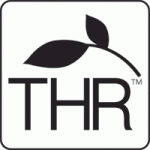
There are many herbal products that are available over-the-counter and online, but many of these are of limited value as medicinal products. In 2011 new UK legislation came in that restricted what can be sold without a consultation with a qualified herbalist. Since then a limited number of Traditional Herbal Medicines (THR) licences have been issued for products that meet certain standards for therapeutic use. These are mostly single herb products as it is very difficult and costly for manufacturers to obtain licences for formulas. To identify these products, the THR logo is used. Some will just have “THR” followed by the registration number on the packaging.
The majority of herbal products are sold as food supplements and these are not allowed to be sold as herbal medicines. Most do not contain sufficient quantities to be considered therapeutic dosage. You will also see many products stating, for example, “with echinacea”. The quantities used will usually be tiny and will therefore have practically no medicinal value.
When you look at products from other countries such as USA, they will often make medicinal claims about the products where such claims and adverts would not be allowed in UK.
Professional herbal practitioners have access to a much larger range of herbal medicines and can combine these to make them more effective than most over-the-counter products. However they can only supply these herbal medicines following a consultation.
More information is available from the British Herbal Medicine Association.
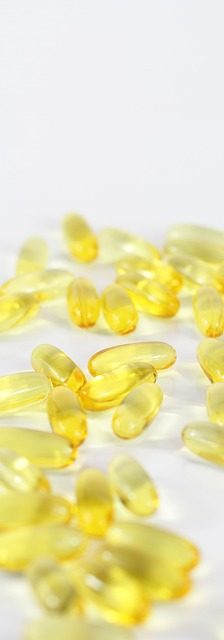
Vitamins, Minerals and other Supplements
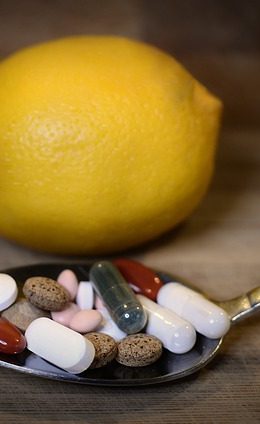
Many of these are available over the counter, are classified as food supplements and include the following:
- vitamins
- minerals
- amino acids
- essential fatty acids
- fibre
- plant and herbal extracts
Best source of vitamins and minerals are from eating a variety of healthy, unprocessed foods such as fruits, vegetables, nuts and seeds.
A general multi-vitamin and mineral supplement is useful in certain instances e.g., people on a restricted diet and/or one that lacks variety, following illness or people with certain conditions. Specific vitamins may be necessary where they are not obtainable in the diet e.g. B12 for vegans.
To avoid misuse of vitamins and minerals and other supplements, it is advisable to seek professional advice. Supplements can be counteractive, can accumulate to toxic levels and can interfere with prescribed medicine.
Food supplements are regulated in the UK by food law under the Food Supplements (England) Regulations 2003, and the equivalent regulations in Scotland, Wales and Northern Ireland as well as all other applicable food law.
The following links provide further information:
https://www.food.gov.uk/business-guidance/food-supplements#what-a-food-supplement-is
https://www.gov.uk/government/publications/nutrition-legislation-information-sources.
Most low cost over-the counter supplements are likely to be of low quality and in the case of some vitamins, they may be synthetically formulated. All supplements with a GMP (Good Manufacturing Product) sign should have been properly tested and approved.
Read the label carefully to see if the content and quality of the supplement is sufficient for its purpose. Good quality, established brands are generally more reliable and may also test to make sure there are no heavy metals or pesticide residues. It is a good idea to research the company/brand for further information regarding the quality of the ingredients, stabilising agents and the formulation of their products.
Diet
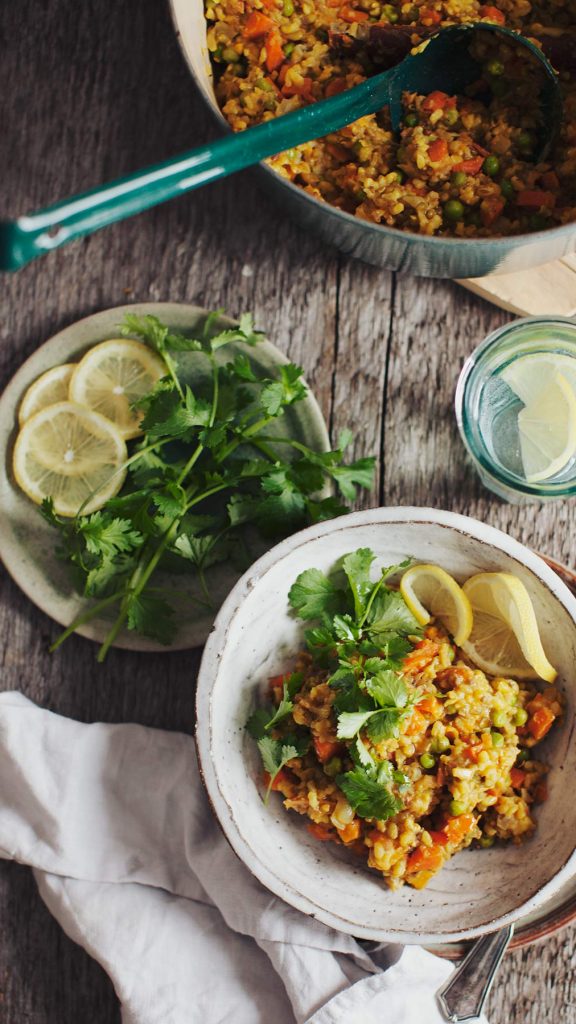
Changing your diet can be daunting but eating healthily doesn’t have to be boring. While some of us will be meat-eaters, and others vegetarians or vegans, we all struggle to add more vegetables in our lives. Here are a few websites to inspire you to try new vegetables, different flavours and add spices to your food. Ingredients can be swapped for dairy and gluten free/vegan alternatives, or meat can be added.
My New Roots – How to make healthy choices every day
Green Kitchen Stories – Vegetarian recipes from Scandinavian kitchen
Meera Sodha – Indian inspired recipes
Keeping yourself moving
Moving is an essential therapeutic tool for better health. Whatever your physical capacity is, there are exercises you can do which give tremendous benefit. While exercising in itself is a stressor and inflammatory by definition, when you stop, your body will naturally switch to an anti-inflammatory state which can last for hours or days, depending on the type of exercise you do. We always advise our patients to start small and gentle, especially if you have a history of chronic pain and inflammation. Qi Gong is ideal to get your flow of energy moving and control your breathing. Below are a few videos to get you started gently, and safely:

Improving Vagus nerve tone & response
The Vagus Nerve is the most important cranial nerve for digestion, and we talk a lot about it. Vagal activity regulates the digestive secretions, opening of the sphincters along the digestive tract and moves food along by contracting muscles – it is the rest and digest master. Here are a few ideas to improve your vagal tone:

Self-Massage for SIBO
If we suspect you have SIBO, we will probably advise you to do an ileo-ceccal valve massage to make sure the valve between your small intestine and colon is opening and closing properly. If constipation is an issue alongside SIBO, the valve might be constantly opened, and the massage becomes even more important.
Useful Links
Gives useful information about the use of herbs by herbalists as medicines in UK

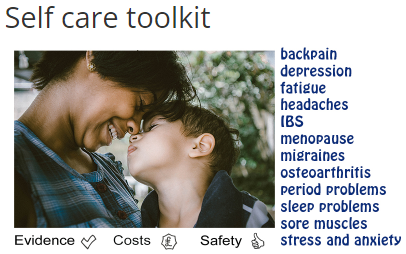
Sensible advice on what to do to help yourself manage some of the most common health issues. Detailed self-care holistic guidance is available for anyone with backpain, depression, fatigue, headaches, IBS, menopause, migraines, osteoarthritis, period problems, sleep issues, sore muscles, stress and anxiety.